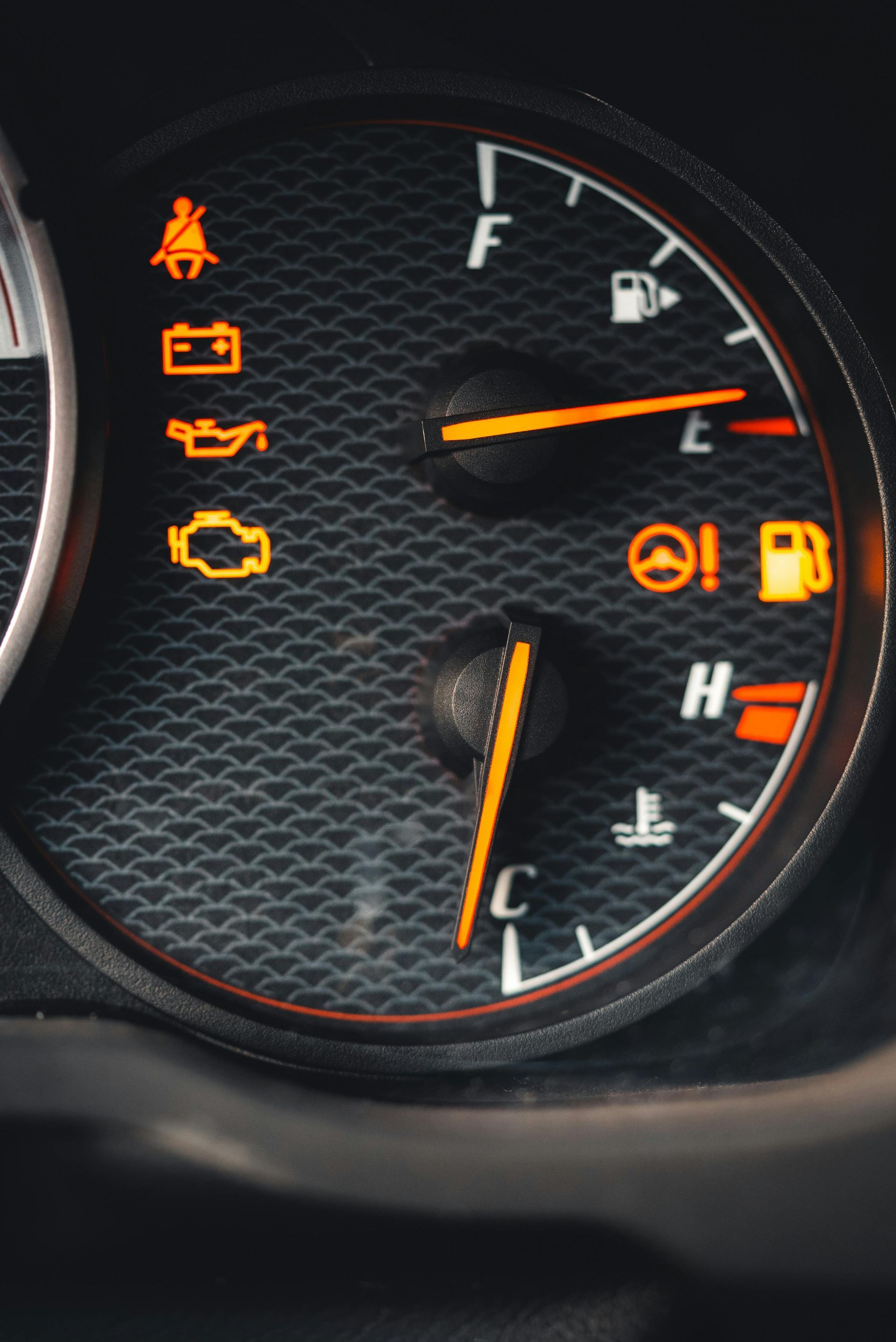
Modern vehicles communicate more information than ever through dashboard messages and alerts. Beyond traditional warning lights, many vehicles now display text messages that explain issues ranging from maintenance reminders to system faults. Because some of these messages sound minor, drivers often ignore them or assume they can wait. At ReJeep Automotive, we regularly see dashboard messages that were early warnings of problems that became much bigger over time. Dashboard messages are triggered when the vehicle detects something operating outside normal parameters. Some messages relate to maintenance intervals, such as oil service or brake inspections. Others indicate system faults that affect performance, safety, or reliability. While not every message requires immediate repair, none of them should be ignored without understanding what they mean. Maintenance reminders are often the most overlooked. Drivers assume the vehicle will keep running fine even if service is delayed. In reality, these reminders are based on usage patterns and are designed to protect critical systems. Ignoring them allows fluids to degrade and parts to wear beyond safe limits, which increases the risk of breakdowns and costly repairs. System fault messages are more serious. Alerts related to braking systems, stability control, traction control, or engine management indicate that safety or performance features may not be functioning properly. Even if the vehicle feels normal during routine driving, these systems are designed to assist during emergency situations. When they are compromised, the vehicle may not respond the way it should when it matters most. Electrical and communication related messages are also common. Modern vehicles rely on multiple control modules communicating with each other. When communication faults occur, systems may operate in reduced functionality modes. This can affect everything from engine performance to climate control and safety features. Diagnosing these issues requires proper equipment and experience. Many drivers try to clear messages by restarting the vehicle or disconnecting the battery. While this may temporarily remove the alert, it does not resolve the underlying issue. In many cases, the message returns once the system detects the fault again. Delaying proper diagnosis often allows the issue to worsen. At ReJeep Automotive, dashboard messages are treated as valuable information. Our diagnostic process identifies why the message appeared and what system is affected. This allows us to explain the issue clearly and recommend the appropriate next steps without unnecessary repairs. Ignoring dashboard messages also increases the risk of secondary damage. For example, an engine related alert ignored too long can affect emissions components. A brake system message left unresolved can lead to uneven braking or reduced stopping power. Addressing messages early helps prevent these cascading issues. Drivers often hesitate to bring their vehicle in because they worry about cost or complexity. In reality, many dashboard alerts are resolved with straightforward repairs when caught early. Waiting almost always increases repair time and expense. If your vehicle displays a dashboard message, even if it seems minor, it is worth having it checked. ReJeep Automotive is here to diagnose alerts accurately, explain what they mean, and help you keep your vehicle safe and reliable. Understanding what your vehicle is telling you makes ownership easier and prevents small issues from turning into major problems.
Seasonal changes put different kinds of stress on your vehicle, and many breakdowns happen simply because a car was not prepared for the conditions it is being driven in. Hot summers, cold winters, and everything in between affect fluids, batteries, tires, and mechanical systems in different ways. At ReJeep Automotive, seasonal maintenance is one of the easiest ways we help drivers avoid sudden issues that could have been prevented. Cold weather is especially hard on batteries and starting systems. As temperatures drop, battery capacity decreases, making it harder to start the engine. Batteries that are already weakened often fail when cold weather hits. Seasonal inspections allow us to test battery health and charging systems before they leave you stranded on a cold morning. Fluids are another area affected by temperature changes. Engine oil thickens in cold weather and thins in extreme heat. Coolant must maintain the proper mixture to protect against freezing and overheating. Brake fluid and power steering fluid also respond to temperature changes. Checking fluid condition and levels seasonally helps ensure systems continue to operate properly. Tires are heavily impacted by seasonal shifts. Cold temperatures cause tire pressure to drop, which affects handling, braking, and fuel economy. Worn tires lose traction more easily in wet or icy conditions. Seasonal inspections allow us to check tire condition, pressure, and wear so your vehicle stays safe as road conditions change. Cooling systems work harder in warm weather. Radiators, fans, hoses, and thermostats must be in good condition to manage engine heat. Small leaks or weak components often fail under high temperatures. Checking the cooling system before summer reduces the risk of overheating and engine damage. Suspension and alignment also deserve attention seasonally. Potholes and rough roads, which are common after winter weather, can knock alignment out of specification. Misalignment leads to uneven tire wear and poor handling. Addressing alignment issues early helps protect tires and improve control. Heating and air conditioning systems also benefit from seasonal checks. No one wants to discover their heater does not work during the first cold snap or that the air conditioning fails during a heat wave. Inspecting these systems before extreme temperatures arrive helps ensure comfort and reliability. Many drivers assume seasonal maintenance is unnecessary if the vehicle seems fine. In reality, seasonal inspections often catch developing issues before they cause noticeable symptoms. This proactive approach helps avoid emergency repairs and keeps maintenance predictable. At ReJeep Automotive, seasonal maintenance is tailored to how the vehicle is used and the conditions it faces. We focus on areas most affected by upcoming weather and driving conditions rather than using a one size fits all checklist. Preparing your vehicle for seasonal changes is one of the simplest ways to reduce stress and unexpected downtime. If the weather is changing or it has been a while since your last inspection, ReJeep Automotive is here to help. Our team will make sure your vehicle is ready for whatever the season brings so you can drive with confidence year round.
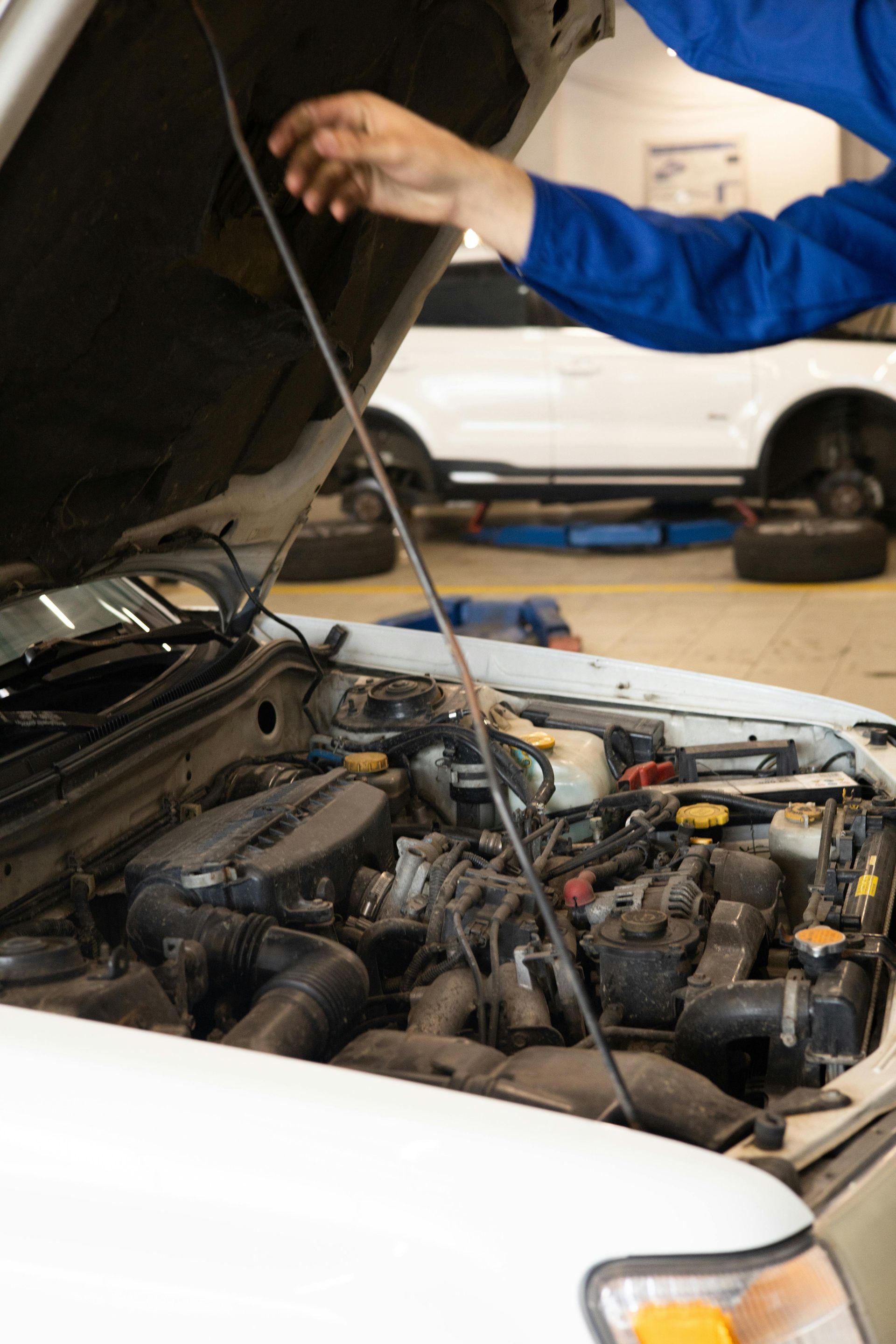
Most drivers have had that moment where something feels off, but the vehicle is still drivable. A small noise, a light vibration, a warning light that comes and goes. It is tempting to put repairs off and hope the issue does not get worse. At ReJeep Automotive, we see the long term effects of delayed repairs every day, and almost without exception, waiting makes the problem more expensive and more stressful. Vehicles are systems where components rely on each other. When one part begins to fail, it often puts extra strain on surrounding parts. What starts as a minor issue can quickly spread through a system and cause additional damage. Addressing problems early helps isolate repairs and keeps costs under control. One of the most common examples is brake wear. Worn brake pads are relatively inexpensive to replace, but when pads are ignored, they wear down to metal. This damages rotors, overheats calipers, and increases stopping distance. A simple brake service turns into a much larger repair that affects safety and cost. Suspension and steering issues follow a similar pattern. A worn bushing or loose joint may cause a small noise or slight handling change. Over time, that movement increases and accelerates wear on other components. Tires begin to wear unevenly, alignment shifts, and additional suspension parts are damaged. Early repairs keep these systems stable and predictable. Fluid leaks are another area where delays cause major problems. A small oil or coolant leak may seem harmless, but fluid levels drop slowly over time. Low fluid leads to increased heat, friction, and internal wear. By the time symptoms become obvious, internal damage may already be occurring. Repairing the leak early protects the system and avoids more serious consequences. Warning lights are often ignored because the vehicle still feels normal. These lights are designed to alert drivers before a failure occurs. Driving for extended periods with unresolved warning lights allows inefficient operation, increased wear, and potential damage to expensive components. Diagnostics performed early are usually simpler and more affordable. Electrical issues also tend to worsen with time. Weak batteries, corroded connections, or failing alternators often cause intermittent problems at first. Over time, these issues lead to no start situations, loss of power, or damage to sensitive electronics. Early diagnosis prevents unexpected breakdowns. Many drivers delay repairs because they are worried about cost. In reality, delaying repairs almost always increases cost. Replacing one worn component early is far less expensive than repairing multiple damaged parts later. Preventative repairs protect both the vehicle and the budget. Another reason drivers delay service is uncertainty. Not knowing how serious a problem is can lead to indecision. At ReJeep Automotive, we focus on clear communication and honest assessments. We explain what is happening, what needs attention now, and what can be monitored. This helps drivers make confident decisions without pressure. Delaying repairs also increases the risk of being stranded. Small issues often fail at the worst possible time, such as during a commute or long trip. Addressing concerns early reduces the chance of unexpected breakdowns and disruptions. Vehicle ownership will always involve maintenance and repairs, but timing matters. Acting early keeps problems manageable and prevents unnecessary damage. If something feels off, sounds different, or does not perform the way it should, it is worth having it checked. ReJeep Automotive is here to help catch issues early, explain what is going on, and keep your vehicle reliable. Addressing repairs sooner rather than later makes ownership easier, safer, and far less stressful.
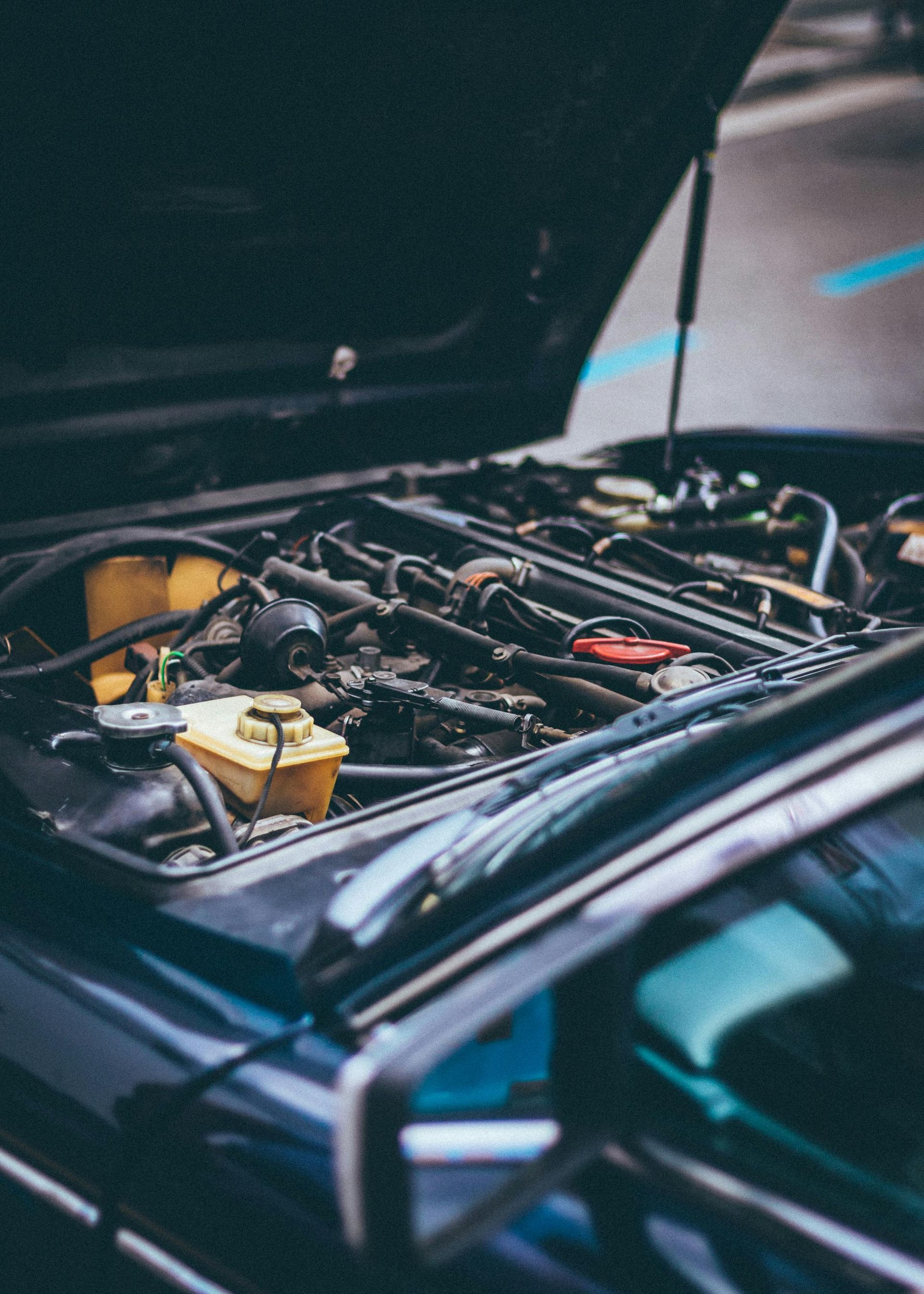
Many drivers assume vehicles are designed to last only a certain number of years or miles. Once a car reaches a specific age, people expect constant repairs and declining reliability. At ReJeep Automotive, we see the opposite all the time. Vehicles that receive consistent maintenance often last far longer than expected and remain dependable well into high mileage. Longevity is not about avoiding repairs entirely. It is about reducing wear and preventing small issues from turning into major failures. Engines, transmissions, suspension systems, and drivetrains are built to be durable, but only when they are properly cared for. Maintenance keeps these systems operating within safe conditions so they can do their job for the long haul. One of the biggest contributors to vehicle longevity is staying on top of routine services. Oil changes, fluid services, inspections, and timely part replacement reduce friction, heat, and stress on critical components. When fluids stay clean and parts stay within proper tolerances, systems wear more slowly and evenly. Regular inspections play a major role as well. Many components wear quietly and show no obvious symptoms until failure occurs. Belts crack, hoses weaken, bushings deteriorate, and seals begin to leak gradually. Inspections allow technicians to identify these issues early and address them before they cause breakdowns or damage surrounding parts. Cooling system maintenance is another key factor in vehicle lifespan. Engines generate a tremendous amount of heat, and managing that heat is essential. Old coolant, clogged radiators, or failing thermostats allow temperatures to rise, which accelerates wear and damages internal components. Keeping the cooling system healthy protects the engine over the long term. Transmission and drivetrain care also matter more than many drivers realize. These systems operate under heavy loads and rely on clean fluid to function properly. Regular service helps prevent internal damage and keeps power delivery smooth. Neglecting these systems often leads to expensive repairs that could have been avoided. Suspension and steering maintenance contribute to longevity in less obvious ways. Worn components affect alignment, tire wear, and handling. This places additional stress on tires, brakes, and other systems. Keeping suspension components in good condition helps the entire vehicle age more gracefully. Electrical system health also affects long term reliability. Weak batteries, failing alternators, and poor connections can cause repeated issues that stress other systems. Addressing electrical concerns early helps prevent unexpected failures and protects sensitive components. At ReJeep Automotive, we often see high mileage vehicles that continue to perform well because their owners stayed ahead of maintenance. These vehicles tend to have fewer major repairs and lower overall ownership costs compared to those that only receive attention when something breaks. Many drivers worry that regular maintenance costs too much. In reality, preventative service is far less expensive than major repairs or replacement vehicles. Maintenance spreads costs out over time and avoids sudden, high dollar repairs that disrupt budgets and schedules. Vehicle longevity is not accidental. It is the result of consistent care, informed decisions, and working with a shop that understands how systems wear over time. ReJeep Automotive focuses on helping drivers get the most out of their vehicles through honest recommendations and quality service. If you want your vehicle to stay reliable, safe, and enjoyable to drive for years to come, regular maintenance is the key. ReJeep Automotive is here to help you protect your investment and keep your vehicle running strong well beyond expectations.

Many drivers notice their vehicle does not feel as responsive as it once did. Acceleration feels slower, hills require more throttle, or the engine just seems to work harder than it used to. Because this change often happens gradually, it is easy to accept it as normal aging. At ReJeep Automotive, loss of power is a common complaint, and in many cases it points to maintenance or mechanical issues that can be corrected. Engine performance depends on proper air flow, fuel delivery, ignition timing, and exhaust flow. When any of these systems is restricted or out of balance, power output decreases. The engine may still run smoothly, but it cannot produce the same level of performance. One of the most common causes of reduced power is restricted air intake. Dirty air filters limit the amount of air reaching the engine, which affects combustion. While this is a simple component, it has a noticeable impact on throttle response and fuel efficiency. Regular inspections help ensure airflow remains unrestricted. Fuel delivery issues can also reduce power. Clogged fuel injectors, weak fuel pumps, or restricted filters prevent the engine from getting the fuel it needs under load. These problems often show up during acceleration or when climbing hills. Addressing fuel system issues restores proper power and drivability. Ignition components play a major role as well. Worn spark plugs, failing coils, or timing issues can cause incomplete combustion. This leads to reduced power, rough acceleration, and increased fuel consumption. Ignition problems often develop slowly, making the loss of performance easy to miss at first. Exhaust restrictions are another common cause. When exhaust components become clogged or damaged, the engine cannot expel gases efficiently. This creates back pressure that limits power and increases engine strain. Exhaust related issues may also trigger warning lights or cause the vehicle to feel sluggish. Transmission and drivetrain issues can also affect how power is delivered to the wheels. Slipping transmissions, delayed shifts, or drivetrain resistance can make the vehicle feel underpowered even if the engine itself is functioning properly. Diagnosing these issues requires evaluating how power moves through the entire system. Sensors and engine management systems also influence performance. When sensors send incorrect data, the engine control system may limit power to protect components. This often results in reduced throttle response or sluggish acceleration. Proper diagnostics help identify these issues before they lead to more serious problems. Many drivers assume power loss is something they just have to live with. In reality, most vehicles can regain much of their original performance with proper service and maintenance. At ReJeep Automotive, performance concerns are diagnosed thoroughly to identify what is holding the vehicle back. Loss of power is not just a performance issue, it often signals increased wear and reduced efficiency. Addressing the cause early helps protect the engine, improve fuel economy, and restore confidence behind the wheel. If your vehicle feels slower, struggles under load, or does not respond the way it used to, it is time to have it inspected. ReJeep Automotive is here to identify the cause and help restore the performance your vehicle was designed to deliver.

Feeling a vibration while driving is one of those issues many drivers try to ignore. It might only happen at certain speeds or feel minor enough to live with for a while. At ReJeep Automotive, vibrations are a common complaint, and they are almost always a sign that something is out of balance or wearing improperly. While the vehicle may still feel drivable, vibrations usually get worse over time and can lead to additional damage if not addressed. Vibrations can come from several different areas of the vehicle, which is why proper diagnosis is important. Tires and wheels are often the first place to look. Unbalanced tires, bent wheels, or uneven tire wear can cause shaking that is felt in the steering wheel, seat, or floor. These vibrations often become more noticeable at highway speeds. Addressing tire balance or replacing damaged tires early can restore a smooth ride and prevent further wear. Alignment issues can also cause vibrations. When wheels are not aligned properly, tires do not roll smoothly, which creates uneven contact with the road. This leads to vibration, pulling, and accelerated tire wear. Alignment problems often develop after hitting potholes or driving on rough roads. Correcting alignment helps improve ride quality and protects suspension components. Suspension and steering components play a major role in controlling vibration. Worn shocks, struts, bushings, ball joints, or tie rods allow excessive movement, which can create shaking and instability. These parts wear gradually, making vibrations easy to overlook at first. Over time, handling becomes less predictable and the vehicle feels less secure, especially during braking or cornering. Drivetrain components are another potential source of vibration. Issues with axles, driveshafts, or joints can cause shaking that changes with speed or acceleration. These vibrations often feel different than tire related vibrations and may be more noticeable when accelerating or cruising at specific speeds. Diagnosing drivetrain vibrations requires experience and careful inspection. Brake related vibrations are also common, especially when braking. Warped rotors or uneven brake wear can cause pulsation through the steering wheel or brake pedal. While this may start as a comfort issue, it affects braking performance and increases wear on braking components. Early brake service helps restore smooth stopping and prevents further damage. Engine related vibrations may be felt at idle or during acceleration. Misfires, worn mounts, or engine performance issues can cause the vehicle to shake when stopped or under load. These vibrations often indicate underlying problems that affect both comfort and performance. Addressing engine related vibration early helps protect internal components and improve drivability. Many drivers assume vibrations are just part of an aging vehicle. In reality, a properly maintained vehicle should drive smoothly. Vibrations are the vehicle’s way of signaling that something is not functioning correctly. Ignoring them often leads to faster wear of tires, suspension, and steering components, increasing repair costs over time. At ReJeep Automotive, vibration concerns are addressed with a systematic diagnostic process. We inspect tires, wheels, suspension, steering, braking, and drivetrain components to identify the root cause. This approach ensures the correct repair is made and prevents repeat issues. If your vehicle shakes, vibrates, or feels rough at certain speeds or conditions, it is time to have it inspected. ReJeep Automotive is here to diagnose the issue accurately and restore a smooth, comfortable drive before small problems turn into major repairs.
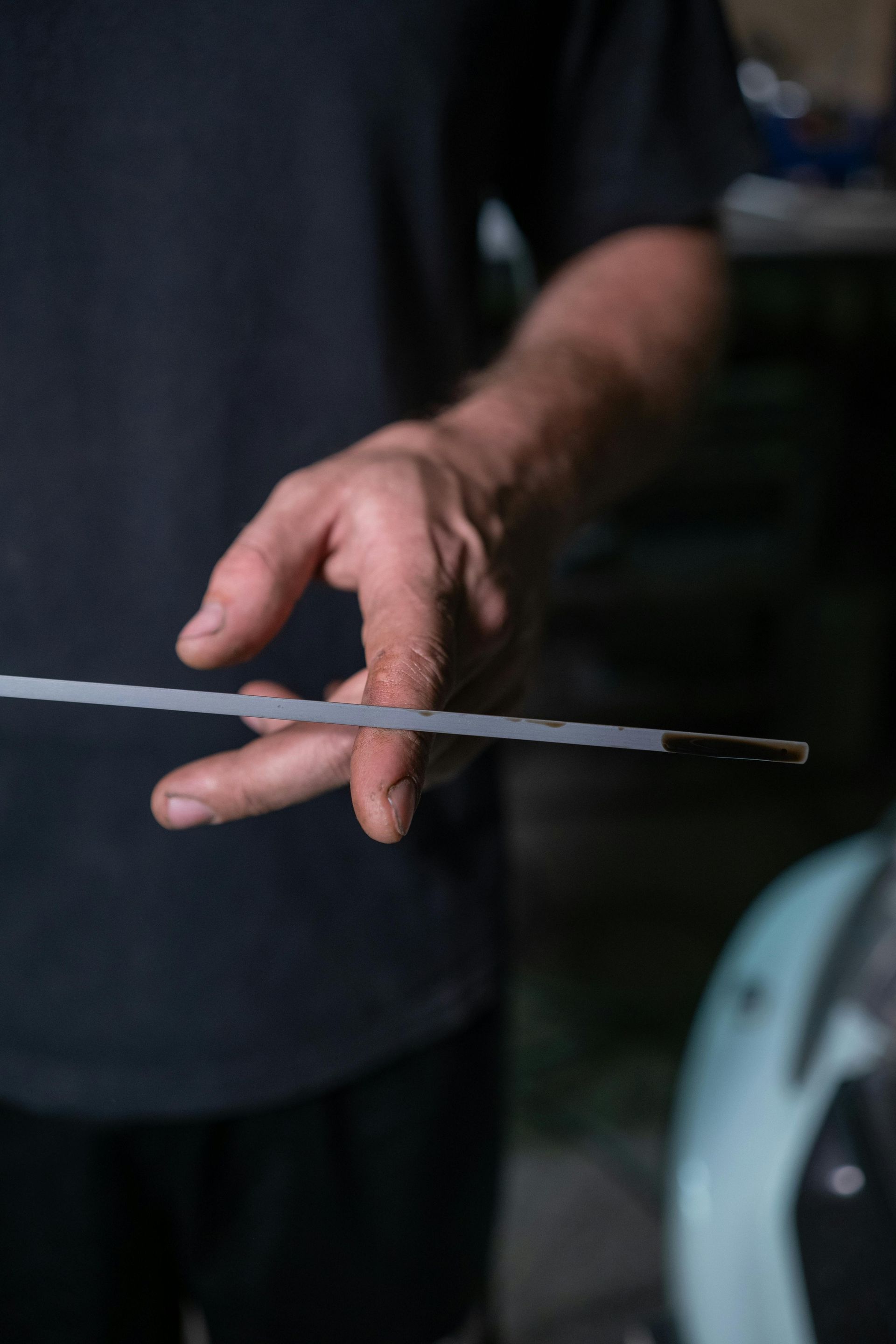
Seeing a small spot on the driveway or garage floor is easy to brush off. Many drivers assume it is just condensation from the air conditioning or a minor drip that is not worth worrying about. At ReJeep Automotive, we see fluid leaks every week, and many of them start small before turning into serious problems. What looks harmless today can quickly lead to breakdowns or expensive repairs if left unchecked. Vehicles rely on multiple fluids to operate properly. Engine oil, coolant, transmission fluid, brake fluid, power steering fluid, and differential fluid all play critical roles. When any of these fluids begin to leak, the system they support is no longer protected the way it should be. Even slow leaks reduce lubrication, cooling, or hydraulic pressure over time. Oil leaks are among the most common. Valve cover gaskets, oil pans, seals, and filters can all develop leaks as components age. A slow oil leak may not immediately affect engine performance, but it gradually lowers oil levels. Running low on oil increases friction and heat, which accelerates engine wear. Oil leaks can also damage belts, hoses, and rubber components if oil spreads throughout the engine bay. Coolant leaks are another concern that should never be ignored. Coolant helps regulate engine temperature and prevents corrosion inside the cooling system. Leaks from hoses, radiators, water pumps, or fittings can cause gradual coolant loss. As levels drop, the engine becomes more prone to overheating. Overheating can lead to warped components, gasket failure, and severe engine damage. Transmission and drivetrain leaks are especially serious. These systems operate under high pressure and heat, and they rely on clean fluid to function correctly. Low fluid levels can cause slipping, delayed shifting, or internal damage. Many transmission problems that require major repairs begin as small leaks that were not addressed early. Brake fluid leaks are a direct safety issue. Brake systems rely on hydraulic pressure to stop the vehicle. Even a small leak can reduce braking effectiveness and increase stopping distance. Any sign of brake fluid loss should be inspected immediately to ensure the vehicle remains safe to drive. Power steering leaks can make steering feel heavy or inconsistent. Over time, low fluid levels place strain on the steering pump, which can lead to failure. Steering issues also reduce control, especially during low speed maneuvers or emergency situations. Many drivers are unsure how to identify which fluid is leaking. Color, smell, and location can provide clues, but professional inspection is the best way to know for sure. At ReJeep Automotive, leak diagnostics involve cleaning affected areas, inspecting seals and components, and identifying the exact source of the leak. This prevents unnecessary repairs and ensures the correct fix is made. Ignoring leaks often leads to secondary damage. Low fluid levels increase wear on internal components, while leaking fluids can damage rubber parts, electrical connections, and surrounding systems. Addressing leaks early helps protect the entire vehicle and keeps repair costs manageable. Leaks also tend to get worse over time. Heat, pressure, and vibration cause small leaks to grow. What starts as a drip can become a steady loss that leaves you stranded or causes sudden failure. If you notice spots under your vehicle, smell burning fluids, see smoke from under the hood, or notice fluid levels dropping, it is time to have the vehicle inspected. ReJeep Automotive is equipped to diagnose and repair fluid leaks accurately and efficiently, helping prevent small issues from turning into major repairs.
Owning a vehicle comes with a lot of responsibility, whether you think about it daily or not. Maintenance schedules, warning lights, strange noises, and unexpected repairs all become part of the experience at some point. One of the biggest differences between stressful vehicle ownership and confident vehicle ownership is having a shop you trust. At ReJeep Automotive, we see how much easier things are for drivers who have a reliable place to turn when something comes up. Many vehicle problems do not happen suddenly. They develop slowly through normal wear and tear. When drivers bounce between different shops or wait until something breaks, issues often grow larger than they need to be. A trusted shop that knows your vehicle can spot changes early and help you stay ahead of repairs. Consistency matters when it comes to service. When the same technicians inspect and maintain a vehicle over time, they understand its history. They know what has been repaired, what has been monitored, and what may need attention in the future. This makes diagnostics faster and recommendations more accurate. At ReJeep Automotive, long term customers benefit from that familiarity every time they come in. Communication is another important factor. Vehicle repairs can feel confusing when explanations are rushed or unclear. A trusted shop takes the time to explain what is going on in plain language and helps you understand your options. That transparency builds confidence and removes the pressure that many drivers feel when making repair decisions. Preventative maintenance becomes easier with the right shop. Instead of reacting to problems, drivers can plan service ahead of time. Inspections, routine maintenance, and honest guidance help avoid breakdowns and surprise expenses. ReJeep Automotive focuses on helping customers plan rather than panic. Trust also plays a role in cost control. When drivers trust their shop, they are more likely to address small issues early. Early repairs are almost always less expensive than waiting for something to fail completely. Having a shop that prioritizes what actually needs attention helps protect both your vehicle and your budget. Unexpected situations are another reason a trusted shop matters. Breakdowns, warning lights, and performance issues never seem to happen at convenient times. Knowing where to go and who to call reduces stress and saves time. ReJeep Automotive works to be that dependable resource when customers need help quickly. A good relationship with a shop also helps with long term vehicle value. Regular maintenance and documented service history improve reliability and resale value. Vehicles that are cared for consistently tend to last longer and perform better over time. Many drivers hesitate to commit to one shop because they worry about being oversold or pressured. At ReJeep Automotive, the goal is to build long term relationships based on trust, clear communication, and quality work. Customers are given the information they need to make decisions that fit their situation. Vehicle ownership will always involve maintenance and repairs. The difference is whether those experiences feel overwhelming or manageable. Having a trusted shop turns uncertainty into confidence and keeps small problems from becoming big ones. If you are looking for a shop that takes the time to understand your vehicle and help you keep it reliable, ReJeep Automotive is here for you. Building that relationship now makes every mile ahead easier and more predictable.
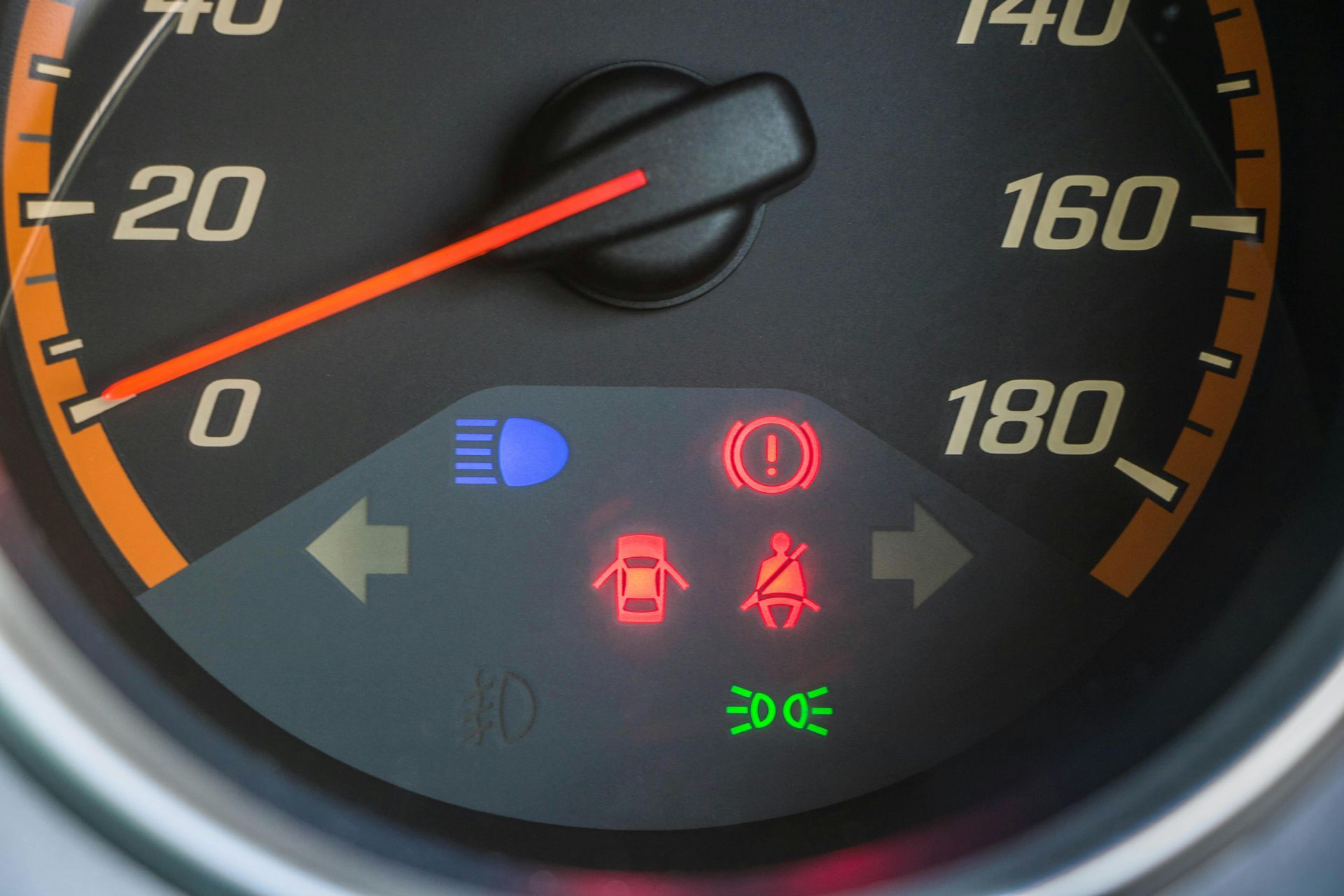
It is easy to dismiss a warning light when the vehicle still drives normally. The engine starts, acceleration feels the same, and there are no strange noises. Many drivers assume the light must be a sensor glitch or something minor and keep driving. At ReJeep Automotive, we regularly see situations where ignoring warning lights leads to much bigger problems that could have been avoided. Warning lights exist to alert drivers that something has changed in the way the vehicle is operating. Modern vehicles constantly monitor engine performance, emissions, braking systems, safety features, and electrical components. When a system detects an issue, it triggers a warning light long before a failure occurs. That early warning is the opportunity to fix a problem before it becomes expensive or dangerous. Some warning lights indicate issues that affect performance and efficiency. Engine related lights often point to problems with fuel delivery, ignition, or emissions systems. While the vehicle may still run, it may be working harder than it should. This leads to reduced fuel economy, increased wear, and potential damage to expensive components if left unresolved. Other warning lights are directly related to safety. Brake system warnings, traction control alerts, and stability system lights indicate that systems designed to keep the vehicle under control may not be functioning properly. Even if the vehicle feels normal during routine driving, these systems are critical in emergency situations or poor weather conditions. Electrical warning lights are also common. Battery, charging system, or electrical system alerts often appear before a complete failure occurs. Ignoring these warnings can result in a vehicle that suddenly will not start or loses power unexpectedly. Early diagnosis helps prevent breakdowns and inconvenience. Many drivers are unsure what a specific warning light means and hesitate to bring the vehicle in because they fear unnecessary repairs. At ReJeep Automotive, warning light diagnostics are focused on identifying the root cause accurately. We use proper diagnostic tools to determine why the light came on and what needs attention, rather than replacing parts based on assumptions. It is also important to understand that warning lights do not fix themselves. While some lights may turn off temporarily, the underlying issue is usually still present. Clearing codes or disconnecting the battery may hide the warning for a short time, but it does not resolve the problem. In many cases, the issue returns worse than before. Ignoring warning lights can also lead to secondary damage. For example, an engine running inefficiently due to a sensor issue can overwork the catalytic converter. A brake warning ignored too long can damage hydraulic components. Addressing the issue early protects other systems from unnecessary stress. At ReJeep Automotive, we believe warning lights should be viewed as helpful information, not a reason to panic. When addressed promptly, many issues are straightforward and affordable to fix. Waiting almost always increases cost and complexity. If a warning light is on in your vehicle, even if it seems to drive fine, it is worth having it checked. ReJeep Automotive is here to diagnose the issue accurately, explain what is happening, and help you make informed decisions to keep your vehicle safe and reliable.

Most drivers notice fuel economy slowly getting worse over time. You start filling up more often and assume it is just part of owning a vehicle. While some decline is normal as a vehicle ages, a noticeable drop in fuel efficiency is often a sign that something is not working as it should. At ReJeep Automotive, fuel economy complaints frequently lead us to underlying issues that drivers did not realize were affecting performance. Fuel efficiency depends on many systems working together. The engine needs the right air and fuel mixture, the ignition system must fire properly, and the drivetrain must transfer power efficiently. When any of these systems is compromised, the engine has to work harder, which uses more fuel. One common cause of poor fuel economy is engine maintenance being overdue. Worn spark plugs, dirty air filters, and degraded engine oil all reduce efficiency. These components may not cause obvious drivability problems at first, but they slowly reduce performance and increase fuel consumption. Keeping up with routine maintenance helps the engine operate at peak efficiency. Tire condition and alignment also play a major role. Underinflated tires create more rolling resistance, which forces the engine to use more fuel. Misalignment causes tires to drag slightly instead of rolling straight, further reducing efficiency. Correcting tire pressure and alignment often results in immediate improvement. Sensor issues are another frequent contributor. Oxygen sensors, mass airflow sensors, and other engine management components provide data that controls fuel delivery. When sensors begin to fail, the engine may run richer than necessary, burning more fuel. These issues often trigger warning lights, but not always. Professional diagnostics help identify sensor problems before they cause long term damage. Fuel system issues can also affect mileage. Clogged injectors, weak fuel pumps, or restricted filters reduce proper fuel delivery. This forces the engine to compensate, which lowers efficiency. Cleaning or servicing these components can restore proper performance and improve fuel economy. Driving habits matter as well, but they are not always the main cause. Sudden drops in mileage usually indicate a mechanical or maintenance related issue. At ReJeep Automotive, we look at the full picture rather than assuming the problem is driving style alone. Exhaust system problems can also reduce fuel efficiency. Restrictions or leaks affect how the engine breathes, which impacts power and fuel use. These issues often develop gradually and may not be obvious without an inspection. Poor fuel economy is not just about spending more at the pump. It often signals increased wear on engine components and reduced overall performance. Addressing the root cause helps protect the engine and improves drivability. At ReJeep Automotive, fuel economy concerns are diagnosed through inspections, testing, and data analysis. We identify what is causing the engine to work harder than necessary and recommend solutions that restore efficiency without unnecessary repairs. If you have noticed a steady decline in fuel economy or are filling up more often than usual, it is worth having your vehicle checked. ReJeep Automotive is here to help identify the cause and get your vehicle running efficiently again.